Table Of Content
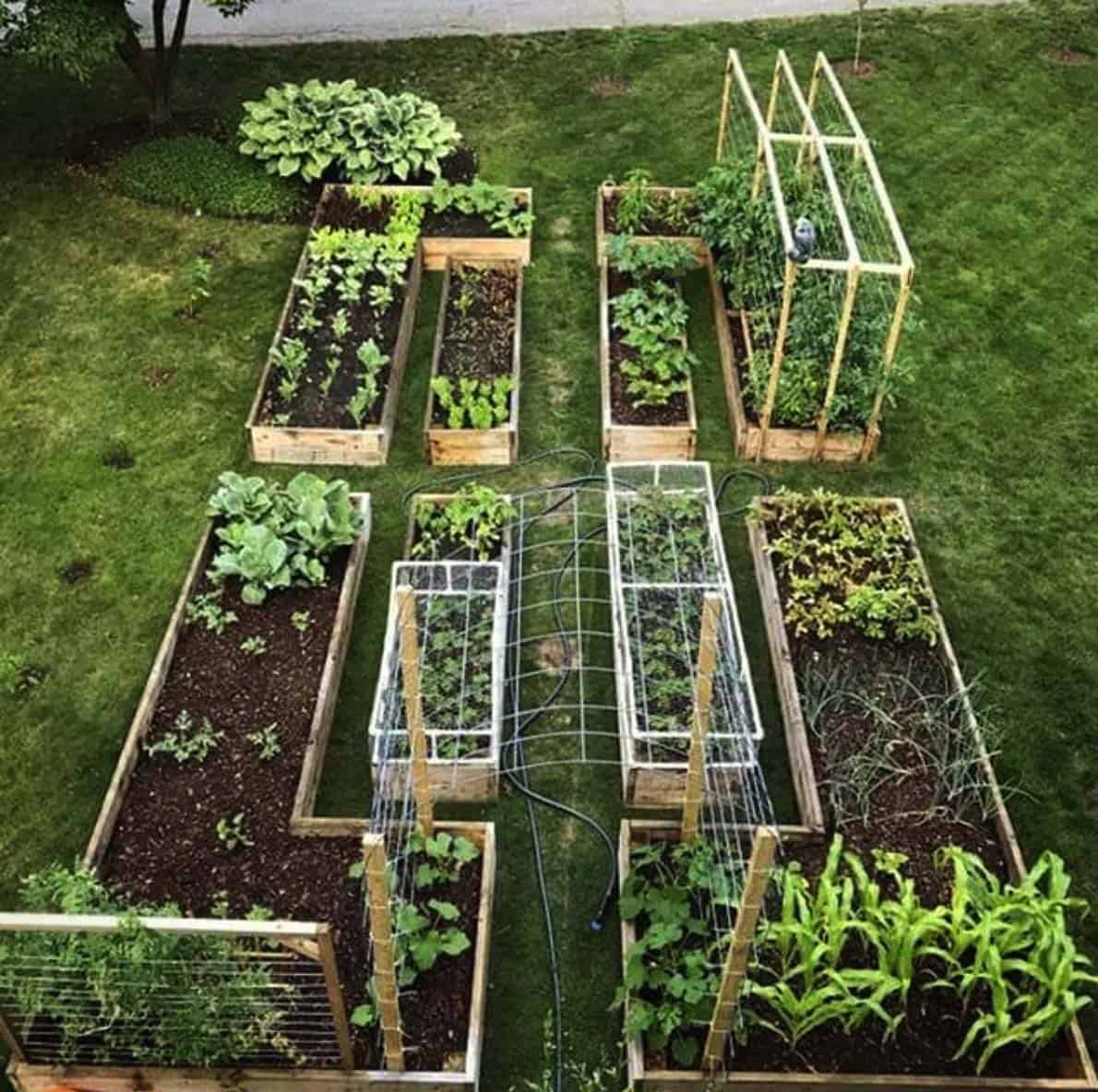
This easy children's vegetable garden plan will please gardeners of all ages with unusual and fun-looking vegetables such as kohlrabi and 'Scallop' summer squash. They'll also love making the garden pretty with the marigolds and sunflowers that flank the bed's edge. These vegetable garden ideas come from home gardens including my own. While some of them have larger yards (backyards and front yards), you really can grow vegetables in any size space. To really make efficient use of your space, you can give square-foot gardening a go. SFG methods are great for any home gardeners who don't have much room to work with and are especially great for beginners.
High Yield Veggie Garden
Customizable to suit your space, the beds in a four-square garden, requiring only 6 to 8 inches of elevation, are ideal for cultivating diverse vegetables with convenient access to each. A wide variety of containers can be used, from traditional pots and planters to repurposed objects like barrels, buckets, or even hanging baskets. This flexibility not only enhances the aesthetic appeal of your space but also allows for a personalized gardening experience. Hi, I'm Amy, gardening expert, book author, and lover of ALL of the plants. I want to help you learn how to garden, indoors or out, and grow, cook, and preserve your own food with tons of tips and advice to help you along the way.

Make use of vertical space in small spaces
Before you plant, use a test kit to determine your soil pH. Pre-made soil mixes should already be properly balanced for at least the first growing season. Adjust pH by adding lime to increase alkalinity, or sulphur to increase acidity. One of the most important elements to growing healthy vegetables is providing adequate soil. Vegetables need loose, well-draining soil that allows water and nutrients to be delivered efficiently to the root zone. Clay or compacted soil can cause standing water, which results in root rot and other diseases. Sandy soil allows water and nutrients to drain out too quickly.
11 Small Vegetable Garden Ideas to Maximize Your Harvest - Better Homes & Gardens
11 Small Vegetable Garden Ideas to Maximize Your Harvest.
Posted: Tue, 12 Mar 2024 07:00:00 GMT [source]
Creating Your Vegetable Garden Layout
You can purchase one or DIY one from wood (don't use pressure-treated, which can leach chemicals) or concrete paver stones. A fenced-in garden can instantly improve the look of your space and make for a great gardening experience. And if done right, it can even keep critters from munching on your veggies.
In polycultures, a range of plants are grown amongst and between each other. This approach is more common in forest gardens and perennial beds, but you can also apply it in your vegetable garden. Growing can be in raised beds, or in the ground, depending on the gardener and the restrictions of the site. This plan shows how you can make a series of concentric growing areas, with paths going between them like the spokes of a wheel. Choosing the right layout ideas for your vegetable garden can make a big difference. Create growing areas and locate plants to make the most of your space.
Grow from starts:
Once the soil warms, plant summer-yielding vegetables such as tomatoes and peppers as in this vegetable garden plan. It's designed to follow the spring vegetable garden plan for a four-foot-square raised bed, so it has carrots, cabbage, onions, snow peas, and parsley already growing in it. Fill in empty areas of flower borders or beds with vegetables.
How To Grow Peas At Home
This garden had several raised beds and all of them were quite tall (18″ or more) and filled with the most luscious soil. I love the branch trellis and other support for little climbers. Start your veggie garden off right by learning the basics of growing vegetables and herbs at home. One thing I would have preferred with this layout is for the large tomato bed to incorporate carrots in it because tomatoes benefit from companion planting with carrots. Multiple beds give you an opportunity to plant different kinds of vegetables, resulting in more food for you and your family. One other thing to note is the plant list that details how many vegetables you should plant, and also advise you on planting times.
Free Raised Bed Building Plans
Bigger is not always better when it comes to vegetable gardening. Small beds require less time to plant and maintain than large ones, and you can still harvest plenty of produce by choosing more compact crops. This small-space vegetable garden plan for a 6 x 8 foot raised bed brims with fresh greens, herbs, and edible flowers.
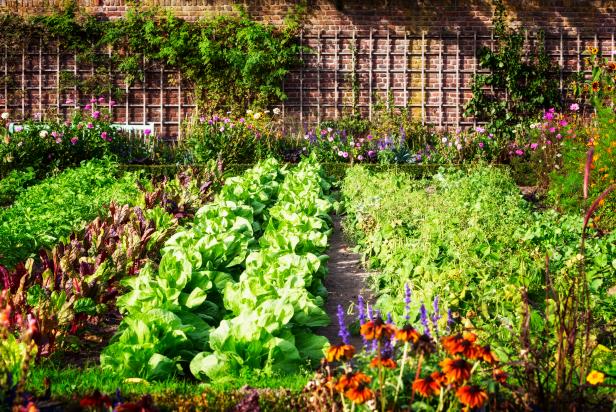
This past fall two overly mature trees were removed from the corner garden prompting a renovation project that lets the gardeners start over with a blank slate to create a new design. The new garden will have improved drainage and irrigation that will make way for expansion and a diversity of plant species. The work began in April, and the club hopes to complete it by the end of May when they traditionally plant colorful annuals for the summer season.
Mandala gardens are not necessarily the most efficient use of space, but they can be truly beautiful. While you may need to alter your diet a little, a perennial vegetable garden could be a great solution, and provide you with plenty of food for you and your household. Plant flowers such as marigolds and nasturtiums nearby to attract pollinating insects.
Plant tomatoes, peppers, corn, beans, eggplant, and cucumbers once the weather warms in late spring. Warm season varieties need average temperatures between degrees F. Pay attention to “days to maturity,” which indicates how long it takes for vegetables to mature. With plants such as tomatoes that take longer to grow, make sure this time frame doesn't exceed your average first frost date in fall. For those with limited space, many vegetables can be grown in containers on a patio, deck, or balcony. Some, such as peas, lettuce, eggplant and dwarf tomatoes can even be grown in hanging baskets or upside-down planters.
Consider staking or caging plants to save space, reduce disease and insect problems, and make harvesting easier. Another garden structure to consider is garden fencing, which can keep out deer and rabbits, and act as a trellis for climbing plants like beans and cucumbers. We also have a free printable gardening calendar you can download here, which will help you plan which vegetables to plant each month in your climate zone. That made using the graph paper super easy, since most of the beds are rectangular, and the same size. I learned this lesson the hard way, and I don’t want you to struggle like I did! So, I am going to show to how to design a vegetable garden, from scratch.
Your choices are going to depend on your growing zone and conditions and what you love. Growing what you love to eat makes us more motivated as gardeners. This gardener told me they used the raised bed to appease the neighbors. What a wonderful focal point in the middle of veggie garden.
There are plenty of beginner-friendly projects that make it easy to nurture and harvest your favorite foods, like lettuce, tomatoes, or cucumbers, in a matter of months. Just think, if you plant tomato seeds in May, you could be eating delicious salad by late summer. If you’re on the hunt for vegetable garden ideas, look no further. Sowing vegetable garden ideas is an easy DIY project—whether it’s an herb garden or an edible flower garden—and you don’t have to have a green thumb to be successful. Establishing a row garden in a modest backyard is a seamless process. Start by thoroughly tilling the earth, breaking it down into a loose, friable texture.
There are two things to bear in mind when choosing which plants to grow, and where exactly to grow them. The higher yield is achieved by the high-fertility provided by the compostable materials added at the centre. The shape also maximises edge – the most productive part of any ecosystem which also helps boost plant growth.
But my favorite part about this design is that it includes everything in a lot of detail. When you need a garden plan that will hold a lot of food and look good too, then you’ll want to consider this layout. I understand because I have to produce a ton of food every year to feed my family.


No comments:
Post a Comment